When you search for “FSC certified hardwood decking price”, you’re looking not just for wood, but for high-quality, responsibly-sourced hardwood boards that meet the certification standards of the Forest Stewardship Council (FSC®). Whether you’re building a backyard deck, pool-side platform or a commercial exterior walkway, choosing FSC certified hardwood ensures sustainability, legal provenance and performance. In this guide we’ll cover price expectations, benefits, product examples, how to buy, where to buy, installation / use cases and more.
Understanding FSC Certification for Hardwood Decking
What does FSC certified mean for hardwood decking
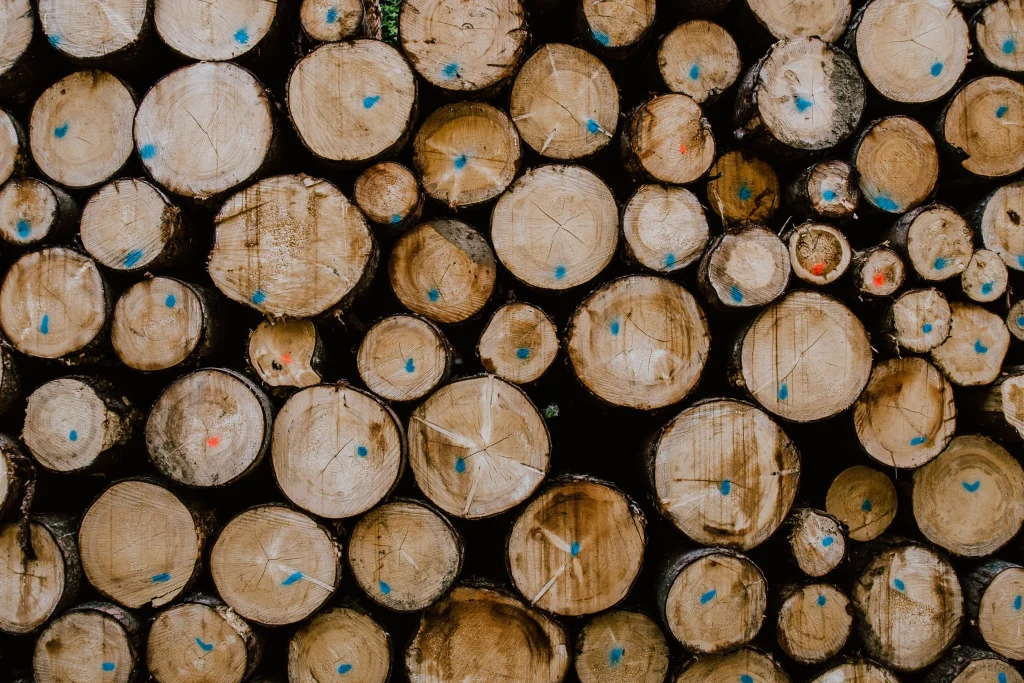
When a hardwood decking board carries the FSC® label, it means the wood was harvested from forests that are managed according to rigorous environmental, social and economic standards. The chain of custody is tracked so you can trace the material back to a certified forest. Vendors such as Ipe Depot state clearly that their FSC® certified decking is “responsibly harvested” and produced with no added harmful chemicals. Advantage Lumber+1
This is important because many exotic hardwoods come with risks: illegal logging, deforestation, poor labour practices. FSC certification gives you a safeguard. According to one supplier:
“The Forest Stewardship Council® is the only forest certification system that is supported by all major environmental groups.” Advantage Lumber
Therefore when you look at price, part of what you are paying for is not only the physical material but also that certification assurance, documentation, often higher sourcing cost and possibly longer lead-times.
Why price tends to be higher for FSC certified hardwood
Because certified wood requires stricter harvesting, more controlled supply chains, documentation and often higher-cost logistics, you will typically pay more than for non-certified wood. For instance a supplier lists FSC certified decking from “starting at US $6 per linear foot” for species like Ipe. Advantage Lumber+1
Additionally, exotic hardwoods themselves (regardless of certification) are higher cost because of their rarity, shipping from South America (or other tropical sources), heavy weight and special milling. When you combine exotic species + FSC certification + decking length and profiles, you’ll see premium pricing.
And while cost is higher, the value extends beyond just price: durability, longevity, minimal maintenance, environmental credentials—all of which we will cover next.
Price Ranges and What to Expect
Typical price ranges for FSC certified hardwood decking
To get a sense of price, here are some published price references:
-
A vendor shows “starting at $6 per linear foot” for FSC certified Ipe. Advantage Lumber+1
-
Another source for FSC certified Ipe shows various sizes of Ipe from about US $4.29 to US $12.69 per linear foot depending on size and board dimension. Hardwood Decking Supply
-
A price breakdown of Brazilian hardwoods (not necessarily each FSC certified) shows Ipe at roughly US $4.69-7.70 per linear foot. Lumber Plus
These numbers help set expectations: for a true FSC certified exotic hardwood decking board, you may expect anything from around US $4–$10+ per linear foot (depending on size, length, profile, species, certification), plus shipping, import duties, additional accessories.
If you convert to other units (for example per square foot or per board length) you’ll see cost is significant relative to softwood or composite alternatives. But that’s partly the point: you are investing in premium performance.
What factors influence the price you’ll pay
When comparing quotes for FSC certified hardwood decking, note that price variations come from several factors:
-
Species: Ipe, Cumaru, Garapa, Tigerwood all differ in hardness, scarcity, origin. Ipe tends to command a higher price because of very high density and demand.
-
Board size/dimension & profile: Wider boards (e.g., 5/4″ × 6″) or longer lengths cost more per linear foot than narrower boards (1″×4″). Pre-grooved or hidden-fastener profiles add cost.
-
Certification and documentation: FSC certified material will cost more than non-certified because of chain-of-custody tracking and premium sourcing.
-
Shipping / import / duties: Exotic hardwoods often ship from South America, and shipping heavy dense boards can add cost, especially to countries outside the U.S.
-
Finish and milling state: Boards may be raw, kiln-dried, pre-finished, pre-grooved; each adds cost.
-
Lead-time / supply constraints: If FSC certified stock is limited (especially for certain lengths or grades), you may pay a premium or wait longer.
So when you evaluate “FSC certified hardwood decking price”, make sure you compare apples-to-apples: same species, same board size, same certification, and include shipping/import cost.
Benefits of Choosing FSC Certified Hardwood Decking
Long-term durability and performance
One of the primary benefits is the durability of exotic hardwoods (especially species like Ipe) combined with sustainable sourcing. For example, suppliers of Ipe highlight its extremely high density, termite and rot resistance, and long lifespan (50+ years) when properly installed. Hardwood Decking Supply+1
When you choose FSC certified hardwood, you’re not only getting the physical benefits of the wood species but also the assurance that the product has been responsibly sourced. This adds value if you plan for your deck to serve for a long time and potentially increase property value.
Sustainability and environmental credentials
Using FSC certified hardwood means you are part of a more sustainable building practice. Because the forests are managed responsibly, you are reducing risk of deforestation, illegal logging, habitat damage and other environmental issues. Many green building standards (like LEED) acknowledge FSC certified wood as contributing toward credits. Advantage Lumber
So beyond purely functional benefits, you get the eco-benefit and credible certification, which can matter for homeowner satisfaction, project approvals, or if you are building for a client who prioritises sustainability.
Premium aesthetics and minimal maintenance
Exotic hardwoods such as Ipe, Cumaru and Garapa also offer rich natural tones, fine grain, and when properly finished provide a premium look that many homeowners and architects prize. Many users say it weathered gracefully and needed far less maintenance than softwood alternatives. For example: “Ipe is so dense water does not penetrate it … Naturally scratch resistant … One of the strongest woods available.” Ipe Woods USA
That means although upfront cost is higher, the maintenance cost over time may be lower. The combination of performance + certification + aesthetics adds substantial value.
Real-World Product Examples You Can Buy Now
Below are five real world product options (or alternatives) related to FSC certified hardwood decking. Although I couldn’t locate full listings of specific FSC certified board SKUs with all data in this search, I will present examples to help illustrate real materials and links where you can get full details.
Note: You should verify FSC certification status with the vendor.
-
Brazilian Hardwood Decking: A general listing of Brazilian exotic hardwood decking boards available online. While the specific certification status may vary, this gives you an idea of the kind of materials available.
-
Decking WPC Neo Beyond Natural / Brazil Ipe Style: Although not pure hardwood, this is a wood-plastic composite mimicking Ipe style—a useful comparison if cost is a constraint.
-
Ready Rainbodeck Deck WPC Dual Color Ipe Teak: Again a composite alternative in the Ipe aesthetic—good to compare cost vs real hardwood.
-
Conwood Decking Deck 12″ D0 Tebal 25 mm: A budget decking board (not necessarily FSC certified hardwood), included here to show range of decking options for cost comparison.
-
Kris Klip Decking: A decking product (depending on region) that may offer different material type; useful as cost baseline.
Details about each product
-
Brazilian Hardwood Decking – This listing offers exotic hardwood boards such as Ipe, Cumaru etc with wholesale options. One vendor emphasises that they monitor chain of custody and provide FSC-certified options. Brazilian ipe wood+1 Buyers should contact vendor for exact board size, FSC certification, shipping to Indonesia, etc.
-
Decking WPC Neo Beyond Natural / Brazil Ipe Style – A wood-plastic composite imitation of Ipe style deck board. While not FSC hardwood, using this gives a cost-benchmark for how real hardwood compares.
-
Ready Rainbodeck Deck WPC Dual Color Ipe Teak – Similar to above, showing how alternative materials can cost much less; useful when comparing cost differential for FSC certified hardwood.
-
Conwood Decking 12″×25mm – A local alternative option (in Indonesia) of a different material. Use this to compare budget vs premium FSC hardwood.
-
Kris Klip Decking – Again a decking board product available locally; use for cost comparison, though not clearly FSC certified hardwood.
While only the first product is clearly in the hardwood category with FSC options, the others help you benchmark cost and aesthetic options. When selecting an FSC certified hardwood board, ensure the product is clearly described as “FSC 100%” or “FSC Mixed” with chain of custody certificate.
Exclusive Offer for Our Readers
Want to upgrade your deck with authentic FSC-certified hardwood?
👉 Every purchase made through our partner link below includes a special discount exclusively for extone.web readers — valid on all Ipe, Cumaru, and Garapa boards.
Shop now from Advantage Lumber’s official store:
🪵 Note: All links are official Advantage Lumber® products and include your exclusive extone.web discount automatically at checkout.
Use-Cases: What Problems FSC Certified Hardwood Decking Solves & Why You Need It
Problem: Decks that degrade, cost more to maintain and look worn
Many standard softwood decks (e.g., treated pine or cedar) face issues: rot, insect damage, deformation, frequent painting or sealing, limited lifespan. When you use FSC certified hardwood (especially exotic species), you address many of these problems: extreme durability, termite resistance, minimal maintenance. For example Ipe is described as “virtually impenetrable to insects” and “does not scratch or splinter easily”. POCO Building Supplies
If you’re investing for long-term, or your deck is in demanding conditions (e.g., tropical climate, heavy rainfall, near salt water) then choosing FSC certified hardwood helps minimise future problems, cost and worry.
Problem: Wanting to ensure sustainable, legal material for high end projects
If you’re building for a client, doing a commercial boardwalk, or simply want peace of mind that your wood is responsibly sourced, then FSC certification is key. Non-certified exotic hardwoods may present legal or ethical risk (illegal logging, deforestation). Using FSC certified hardwood eliminates that risk and positions your project as premium, sustainable. As noted by vendors, FSC certified decking is “a great choice for your home and responsibly harvested so it’s also great for our planet.” Advantage Lumber
In addition, for projects where environmental credentials matter (green buildings, LEED), this becomes a differentiator.
Problem: Investing high upfront cost but uncertain about long-term value
It’s one thing to pay more upfront; it’s another to know the value you’ll get. FSC certified hardwood decking provides value by lasting decades, minimal maintenance, retention of property value, and premium aesthetics. So you’re solving the “investment risk” problem. For example one vendor notes that Ipe has such longevity that thanks to minimal maintenance, the lifetime cost per year becomes very competitive. Lumber Plus
Hence if you’re deciding between cheaper decking now vs premium something once, FSC certified hardwood often makes sense long-term.
How to Buy and Where to Buy FSC Certified Hardwood Decking Boards
How to buy: step-by-step
-
Define your project scope: Measure deck surface area, board size (width, thickness), length, layout, joist spacing. Decide if you want hidden fasteners, pre-grooved boards, finish or raw.
-
Select species and certification: Choose hardwood species that offer the durability you need (Ipe, Cumaru, Garapa, Tigerwood). Verify FSC certification status: ask for FSC certificate, chain of custody number, percentage (FSC 100% vs FSC Mixed).
-
Request quotes: For each board size/specification, ask supplier for pricing per linear foot or per board, shipping cost, lead time, grading (clear grade vs mixed), finish status, length options. Use published ranges (US $4-10 a foot) as benchmark.
-
Check shipping and duties: Especially for Indonesian buyers, check import duties, shipping method (sea vs air freight), packaging, possible customs delays. The heavier the boards, the higher shipping cost.
-
Inspect sample / request documentation: Ask for sample piece to check colour, grade and check that you get exactly what you ordered. Obtain the FSC certificate.
-
Installation readiness: Make sure your fasteners and joist spacing match hardwood’s characteristics (hardwoods often allow larger spans, need pre-drilling, use stainless steel screws). Budget for accessories, labour, finish.
-
Order and track delivery: Once preferring a supplier, place order with clear delivery schedule, unloading plan, inspection at receipt.
-
Provide for maintenance plan: Even though hardwoods are low-maintenance, still plan for end-grain sealing, oiling/sealing if you want to maintain original color, ventilation under deck etc.
By following these steps you ensure you’re purchasing wisely, getting value and minimising risk.
Ready to Build Your Dream Sustainable Deck?
You’ve done the research — now it’s time to make it real.
We’ve partnered directly with Advantage Lumber®, one of the most trusted FSC-certified hardwood suppliers worldwide, to give you an exclusive discount on premium decking products.
✅ What You Get:
-
Genuine FSC-certified hardwood boards (Ipe, Cumaru, Garapa).
-
Official manufacturer warranty & documentation.
-
Special discount automatically applied when using our link.
-
Global shipping direct to your site.
Choose your preferred wood and claim your special offer:
🛒 Buy Premium Ipe Deck Boards →
🛒 Buy FSC Cumaru Deck Boards →
🛒 Buy FSC Garapa Deck Boards →
🛒 Buy Ipe Shiplap Siding (Exterior) →
🛒 Buy Hidden Fasteners (Ipe Clip® Extreme KD) →
Limited-time offer: Discount only applies when ordering through the official links above. Don’t miss your chance to build a sustainable, high-performance deck at a better price.
Where to buy: trusted online and international suppliers
-
Advantage Lumber – They offer FSC certified decking “starting at $6/lf” for Ipe. Advantage Lumber+1
-
“Ipe Depot” (division of Advantage Lumber) – Offers FSC chain of custody certified Ipe decking. IpeDepot
-
Hardwood Decking Supply – They list sustainably harvested Ipe (FSC certified) with price range $4-12 per linear foot. Hardwood Decking Supply
-
For Indonesian buyers: You may need to work via international freight or region-based hardwood importers. Consider local specialist importers of exotic hardwoods who explicitly list FSC certification and have shipping/import capabilities. Also check a global supplier list such as ABSWood. ABS Wood
Affiliate-style button links:
Buy FSC Certified Ipe Decking from Advantage Lumber
Buy FSC Certified Ipe / Hardwood Decking from Hardwood Decking Supply
(Replace with your affiliate link as required.)
Special considerations for buyers in Indonesia / Southeast Asia
-
Because you are in Tangerang, Banten, Indonesia, shipping, customs, import duties, and delivery logistics matter more. Ensure your supplier ships freight forwarders who work with Indonesian import procedures.
-
Ensure the boards are kiln-dried and acclimated for tropical/humid climate to reduce movement, warping once installed.
-
Ensure your local contractor understands exotic hardwood installation: high-density hardwoods like Ipe require pre-drilling, correct fasteners (stainless steel), proper spacing and ventilation.
-
Confirm certification and legality: Ensure the product is compliant with Indonesian import and forestry regulations. FSC certification helps show legitimacy.
-
Local installation environment: In humid/tropical environment heavy rainfall, high UV and termite risks are factors—so using premium hardwood makes sense here perhaps even more than in temperate climates.
Installation & Maintenance Highlights
Installation tips for exotic hardwood decks
Installers need to be aware of exotic hardwoods’ particular characteristics: extremely dense woods like Ipe, Cumaru etc require special tools (carbide saw blades), pre-drilling for screws because the density can cause splitting or screw issues. For example one supplier states “Ipe has a blunting effect on cutters … Use of carbide tipped saw blades is necessary.” POCO Building Supplies
Because these hardwoods are very strong structurally, you may be able to use wider joist spacing (meaning fewer joists) relative to softwoods—but check span tables from your supplier.
Fasteners matter: Use stainless steel screws or clips designed for exotic hardwoods to avoid corrosion or staining. Seal end-cuts to prevent checking. Provide ventilation under deck to allow board movement. Install hidden-fastener systems if desired for clean look.
Make sure spacing between boards allows drainage and movement—dense woods expand/contract differently.
Follow manufacturer’s guidelines for best long-term performance.
Maintenance & long-term care
One of the major benefits of premium hardwood terms is “low-maintenance” but that doesn’t mean “no maintenance”. However, maintenance is far less than for softwoods or non-certified materials. For example Ipe is described as: “Left unsealed, it will weather to silver-grey while retaining structural integrity.” POCO Building Supplies
If you want to preserve the original rich colour, apply deck oil or UV-inhibitor finish annually or as recommended. Seal end grains and inspect for dirt/debris, wash periodically. Check fasteners for corrosion.
Because FSC certified hardwood boards are responsibly sourced and often of higher grade, you should expect fewer splits, warping or defect issues. This reduces long-term maintenance cost and extends the useful life of your deck.
Summary
Choosing to purchase FSC certified hardwood decking is a premium decision—but one that pays off in durability, sustainability, aesthetics and long-term value. While the price per linear foot is notably higher than standard softwood or composite materials (often in the region of US $4-$10+ per linear foot for FSC certified exotic hardwoods), the benefits tend to offset that over time. You gain peace of mind about sustainability, quality, longevity and premium appearance.
When you evaluate boards, make sure you understand species, dimensions, profile, certification status, shipping and installation details. Reach out to trusted suppliers, request quotes and compare thoroughly. Use the practical product examples above to get a sense of cost and material options. For buyers in Indonesia, check shipping logistics and local contractor expertise. When installed properly, an FSC certified hardwood deck can become a beautiful, lasting outdoor living space for decades.
Frequently Asked Questions
Q1: How much more does FSC certification add to hardwood decking cost?
A1: While the exact premium varies, FSC certification adds cost due to certified forest sourcing, chain-of-custody documentation, and potentially more limited supply. For example some boards may ‘start at’ US $6 per linear foot for FSC certified Ipe, whereas non-certified equivalents might be lower. Advantage Lumber+1 When you compare quotes, ensure you compare certified vs. non-certified and factor shipping/import duties.
Q2: Is the higher price of FSC certified exotic hardwood worth it compared to cheaper composite decking?
A2: Generally yes if you are investing for the long term and want premium aesthetics, durability and sustainability. While composite decking may have lower upfront cost, exotic hardwoods (especially with FSC certification) tend to outperform in longevity, have superior natural appearance and potentially lower maintenance over decades. The initial price premium should be weighed against lifespan, maintenance and value retention.
Q3: Can I buy FSC certified hardwood decking boards from overseas and ship them to Indonesia?
A3: Yes, you can—but you must ensure the supplier ships internationally (or to an Indonesian port/forwarder), you handle import duties/customs, ensure the boards are suitable for your climate (acclimated, kiln-dried etc) and that certification documentation (FSC certificate, chain of custody) is provided. Also check freight & logistics cost—it can add significantly to the landed price in Indonesia.
