
Concrete wood is a specialized technique that combines the aesthetics of natural timber with the structural advantages of concrete. Whether used in exterior facades, interior design features, or public infrastructure, concrete wood offers an authentic wood texture with unmatched durability. This material has become increasingly popular among architects, landscape designers, and builders aiming to deliver natural beauty while minimizing maintenance and maximizing resilience.
Concrete wood is produced by casting concrete against wood-textured molds or form liners. After curing, the surface takes on a woodgrain appearance that replicates the character and warmth of timber. Thanks to advancements in form liner technologies, the level of detail captured is nearly indistinguishable from real wood.
Benefits of Using Concrete Wood for Architecture and Landscaping
Concrete wood is not just about appearance; it solves multiple structural and environmental challenges faced in traditional building.
Natural Wood Look with Superior Longevity
Concrete wood delivers the timeless beauty of timber without the vulnerabilities. While natural wood deteriorates from moisture, fire, pests, or UV exposure, concrete wood retains its integrity over decades. Furthermore, the surface can even be colored and sealed to match specific wood species, enhancing the realism while ensuring lasting appeal.
Moreover, concrete wood allows for aesthetic continuity across both indoor and outdoor spaces, making it versatile in both residential and commercial projects.
Minimal Maintenance and Resistance to Harsh Elements
Unlike real wood, concrete wood does not rot, warp, splinter, or require regular refinishing. Therefore, it is ideal for high-humidity areas, flood zones, coastal regions, and wildfire-prone landscapes. Because of its durable nature, it remains visually stunning with minimal upkeep, often needing nothing more than an occasional rinse.
In addition, its resistance to environmental wear makes it a preferred material in public infrastructure, where frequent repairs are costly and time-consuming.
Enhanced Sustainability in Construction
By eliminating the need for harvested timber, concrete wood contributes to sustainable design. Many manufacturers use recycled content in their concrete mixtures and produce reusable form liners, reducing environmental impact. As a result, this makes it an eco-conscious choice for green building certifications and long-term environmental responsibility.
Wood Series by Custom Rock
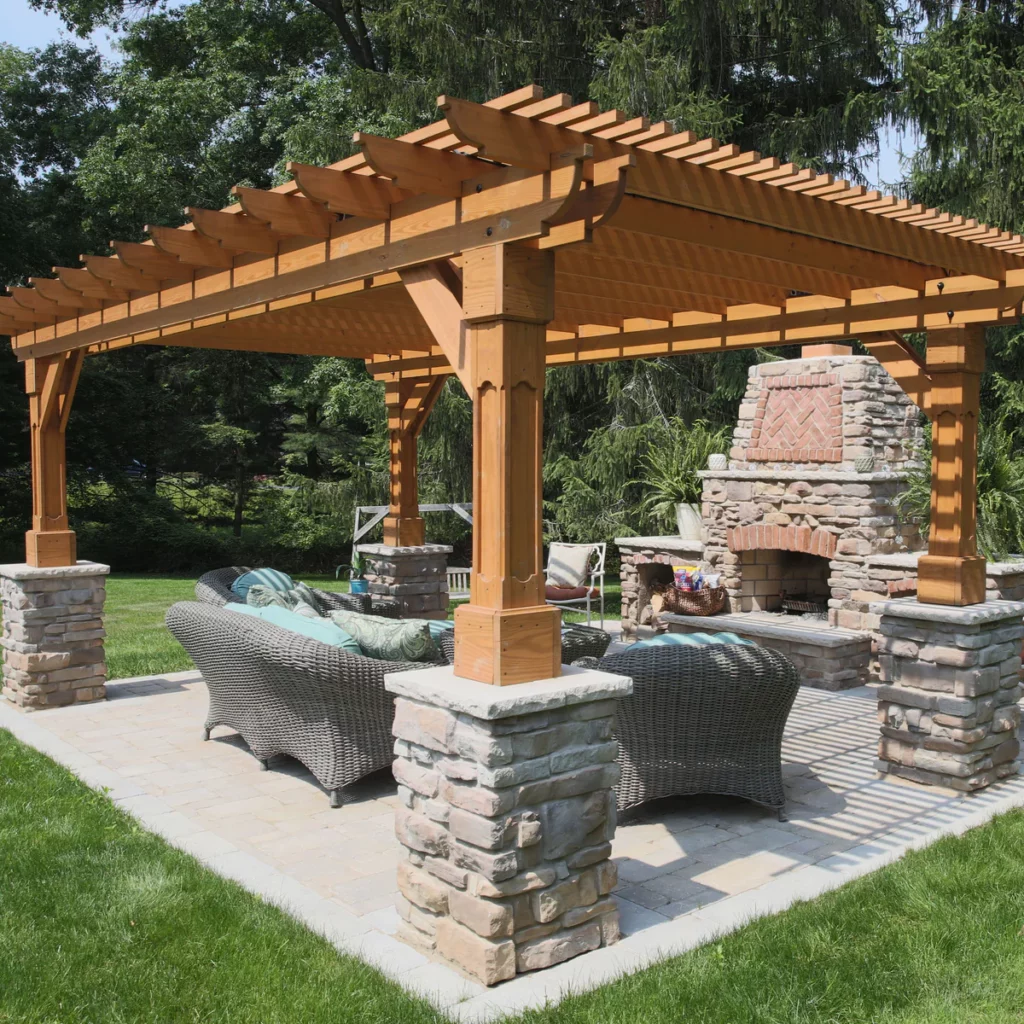
The Wood Series by Custom Rock features deeply textured concrete form liners designed to replicate various wood surfaces. Options include weathered plank, cedar, and rough-sawn timber. Made from reusable elastomeric urethane, these liners offer high definition and long-term usability across multiple projects.
Ideal for bridges, architectural walls, and commercial buildings, these liners support large seamless patterns, helping deliver a continuous, natural wood look. Additionally, they can be custom-stained and sealed to suit a project’s unique visual requirements.
RECKLI Wood Textures

RECKLI is known globally for its premium form liners, and its wood texture series includes vertical plank, bark, and board patterns. These liners are crafted in Germany with precision elastomeric compounds, ensuring reusability and ease of cleaning.
Consequently, RECKLI’s concrete wood textures are widely used in public buildings, eco-lodges, and waterfront structures. Their liners capture the subtleties of wood grain and can be integrated into precast and cast-in-place construction.
Fitzgerald Formliners Wood Series
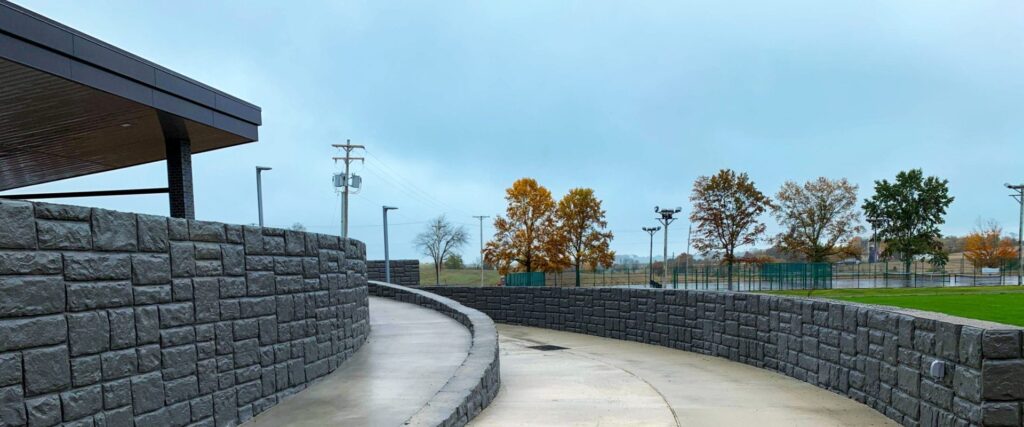
Fitzgerald Formliners offers a broad selection of wood-inspired patterns, including reclaimed barnwood, rustic oak, and fine cedar. These liners are constructed to last through multiple uses, making them highly cost-effective for large developments.
They’re especially popular in highway sound barriers, landscape retaining walls, and commercial building facades. Because of their consistent texture and realistic finish, they’re a favorite for projects requiring both visual and structural performance.
Bush Concrete Formliners
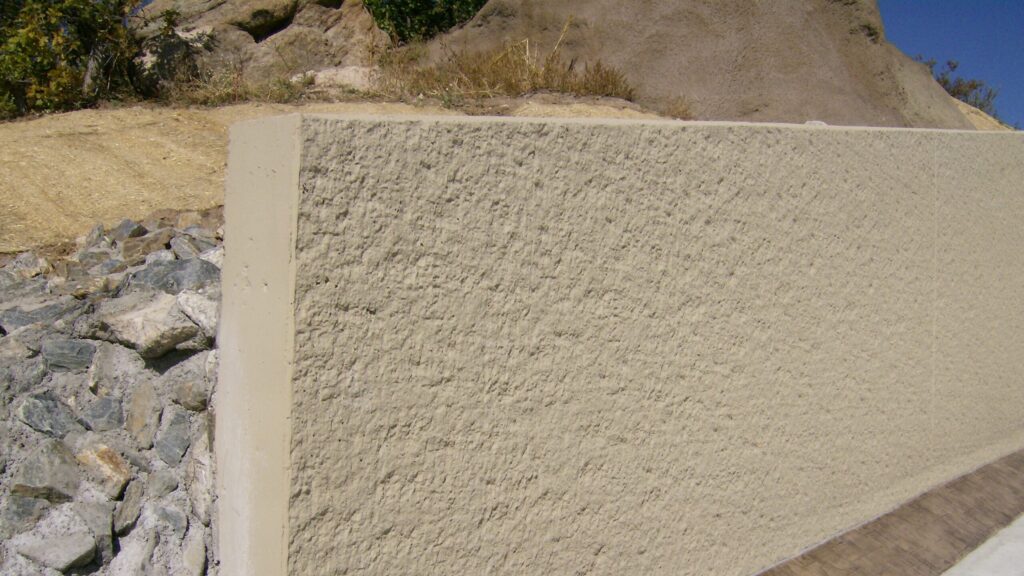
Bush Formliners provides cost-effective wood texture liners that balance affordability with durability. Their offerings include cedars, aged wood, and horizontal planks.
Moreover, these liners are suitable for both decorative and load-bearing applications. They support vivid texture replication and work well in residential landscaping, outdoor pavilions, and municipal parks.
Advanced Formliners – Woodgrain Series
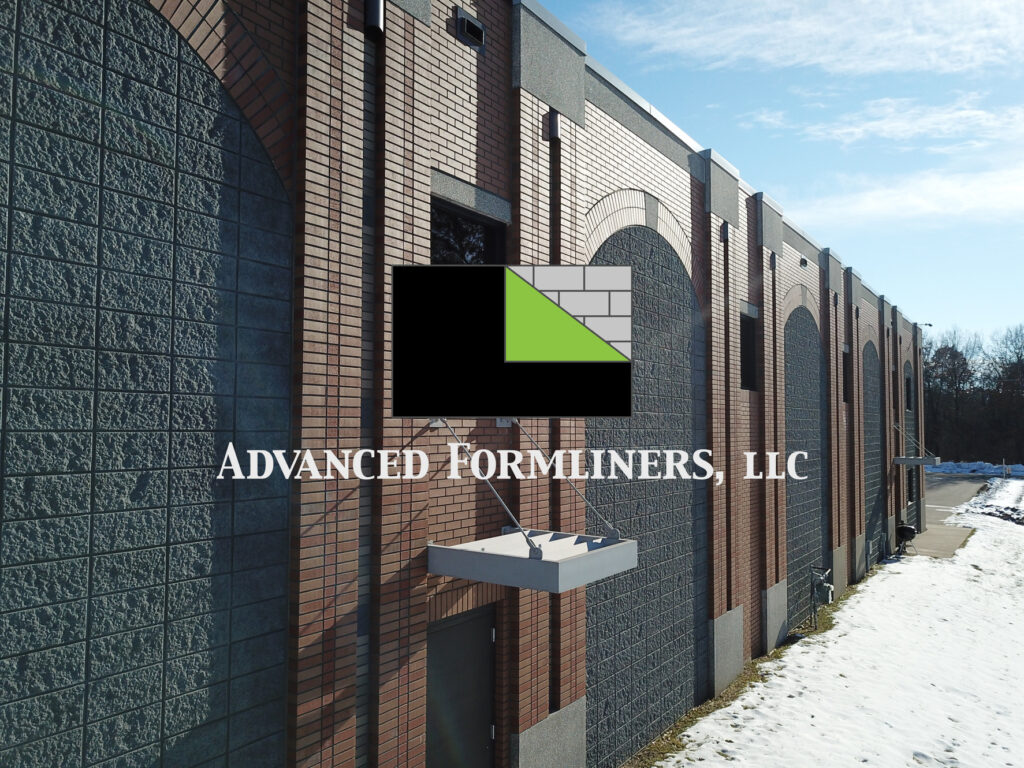
Advanced Formliners delivers highly detailed woodgrain concrete liners, replicating aged timber, vertical panels, and charred planks. Their elastomer molds ensure accurate wood patterning with superior resilience.
These liners are perfect for boutique hotels, urban streetscapes, and cultural centers. Their ability to be stained and finished like real wood enhances creative flexibility without compromising durability.
Why Concrete Wood Matters in Today’s Design Challenges
Concrete wood addresses multiple modern-day design demands:
- It replaces scarce or endangered timber species
- It provides long-term performance in tough environments
- It reduces maintenance budgets for public infrastructure
- It adds warmth and visual interest to cold concrete facades
Use cases include urban development zones, cultural spaces, educational buildings, and hospitality venues. Where once wood would fail due to moisture or heat, concrete wood excels.
Where and How to Buy Concrete Wood Formliners
These products are typically purchased through specialty manufacturers or construction material suppliers. Most vendors offer design support, texture samples, and technical assistance. Therefore, it’s easy to start planning with concrete wood, even for custom requirements.
Buy from Custom Rock
Shop RECKLI Textures
Order Fitzgerald Liners
Get Bush Formliners
Advanced Formliners Store
FAQ
1. Is concrete wood suitable for indoor use?
Yes, concrete wood is commonly used indoors for accent walls, feature fireplaces, and even flooring. It offers the look of wood without the maintenance.
2. How long do concrete wood textures last?
With proper installation and sealing, concrete wood finishes can last several decades without significant degradation.
3. Can concrete wood be customized to match specific timber species?
Absolutely. Staining and surface treatments can match various wood types, from light maple to dark walnut, ensuring alignment with the project’s design intent.
