
Alucobond cladding is a type of aluminum composite panel (ACP) used in modern architectural facades. It features two thin aluminum sheets bonded to a non-aluminum core, resulting in a lightweight yet durable panel that’s ideal for both interior and exterior applications. Known for its flatness, versatility, and extensive color options, Alucobond is a trusted brand in the world of high-performance building materials.
Architects and builders prefer Alucobond for its sleek appearance and weather-resistant properties. Whether used on high-rise buildings, commercial spaces, or luxury homes, it delivers a polished finish while also contributing to energy efficiency and fire resistance when specified correctly.
Why Choose Alucobond Cladding?
Alucobond panels are engineered to meet the demands of contemporary construction. They offer excellent dimensional stability, resistance to UV rays, and a long service life. Because they are lightweight, these panels reduce structural loads, making them easier and more cost-effective to install.
The cladding can be bent, cut, and shaped easily, allowing for a wide range of design possibilities. Additionally, it comes in finishes that replicate stone, wood, and metallic textures, giving designers full creative freedom. Alucobond is also low-maintenance and doesn’t require frequent repainting or sealing, making it ideal for long-term use in all environments.
Benefits of Alucobond Cladding for Modern Architecture
One of the biggest benefits of Alucobond cladding is its superior weather resistance. The panels can withstand harsh conditions, including heavy rain, strong winds, and UV exposure, without losing their shape or color. This makes them suitable for both coastal areas and urban environments.
The insulation benefits are also noteworthy. When combined with a substructure and insulation layer, Alucobond cladding enhances thermal efficiency, which can lead to lower heating and cooling costs. Furthermore, the fire-retardant versions of Alucobond comply with international fire safety standards, offering peace of mind for building owners.
The Technology Behind Alucobond Panels
Alucobond uses advanced coil-coating technology and bonding processes to manufacture its panels. The surface coatings, such as PVDF (polyvinylidene fluoride), are highly durable and maintain color vibrancy over decades. These coatings also resist pollutants and dirt, making the panels easier to clean.
Additionally, the composite core technology ensures that each panel maintains a balance between rigidity and flexibility. Some versions come with mineral-filled cores for added fire resistance. As a result, Alucobond panels not only look great but also perform reliably under demanding structural conditions.
Top 5 Alucobond Cladding Products You Should Consider
ALUCOBOND® PLUS
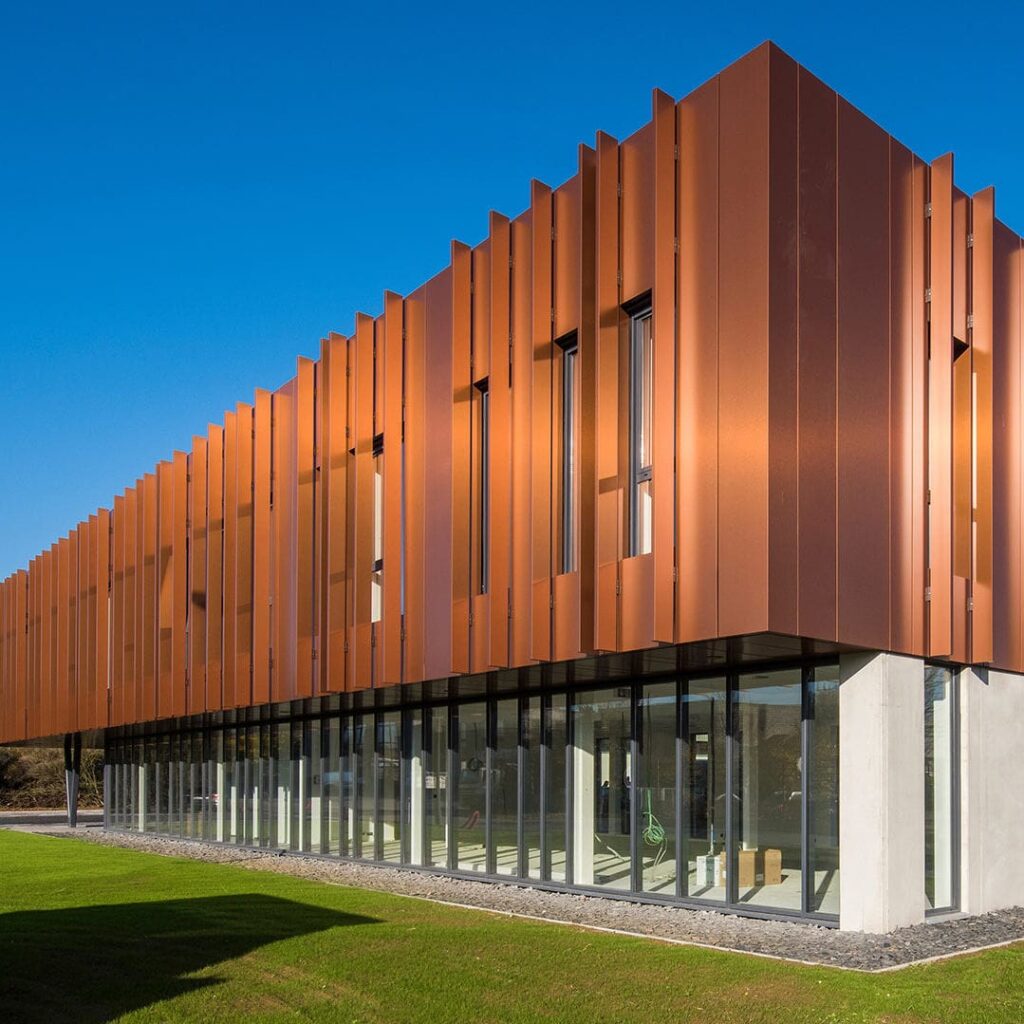
ALUCOBOND® PLUS is the most widely used variant and features a fire-retardant mineral-filled core. It’s ideal for commercial buildings and high-rises where safety is a top concern. Available in numerous colors and textures, it supports creative facade designs without compromising performance.
It offers high impact resistance, long-term durability, and excellent acoustic properties. ALUCOBOND® PLUS is used in airports, malls, office towers, and public buildings around the world.
ALUCOBOND® Axcent
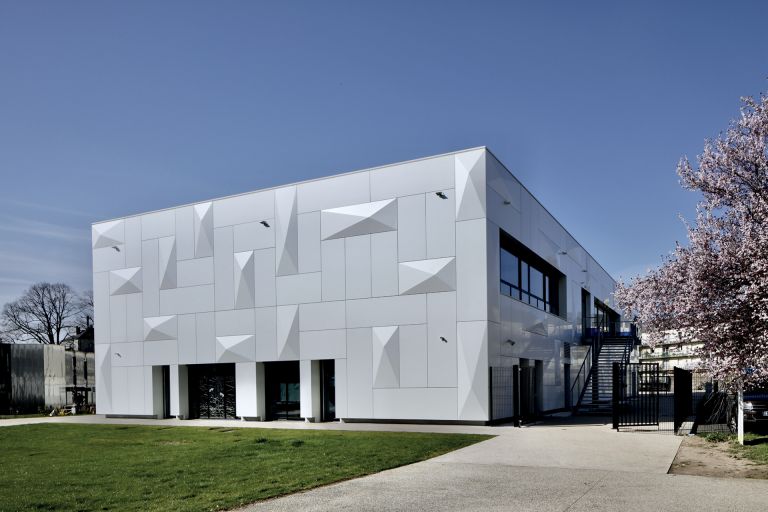
ALUCOBOND® Axcent is designed for trim and flat sheet applications. It allows designers to match cladding panels with fascia, soffit, and signage. Axcent sheets come in the same finishes as the main panel lines, ensuring consistency throughout a project.
This variant is perfect for architectural accents and detailed finishing work that demands durability and aesthetic alignment with the main facade.
ALUCOBOND® Natural
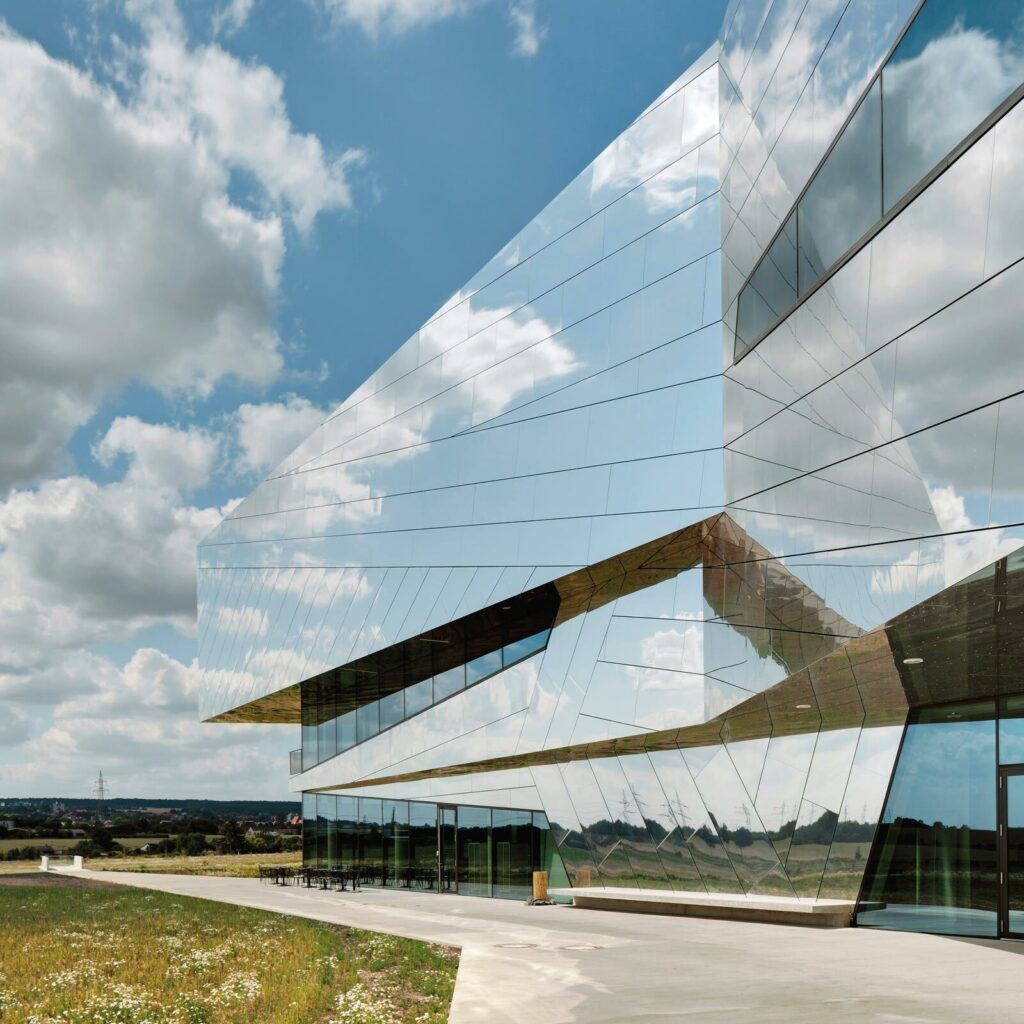
If you’re aiming for a natural look, ALUCOBOND® Natura mimics the appearance of stone and wood while offering the performance of aluminum. It’s a great option for designers looking for a balance between rustic appeal and modern durability.
The surface is low-gloss and textured, providing a more organic feel to building exteriors. Ideal for institutions and residential buildings, Natura brings warmth to contemporary architecture.
ALUCOBOND® Terra
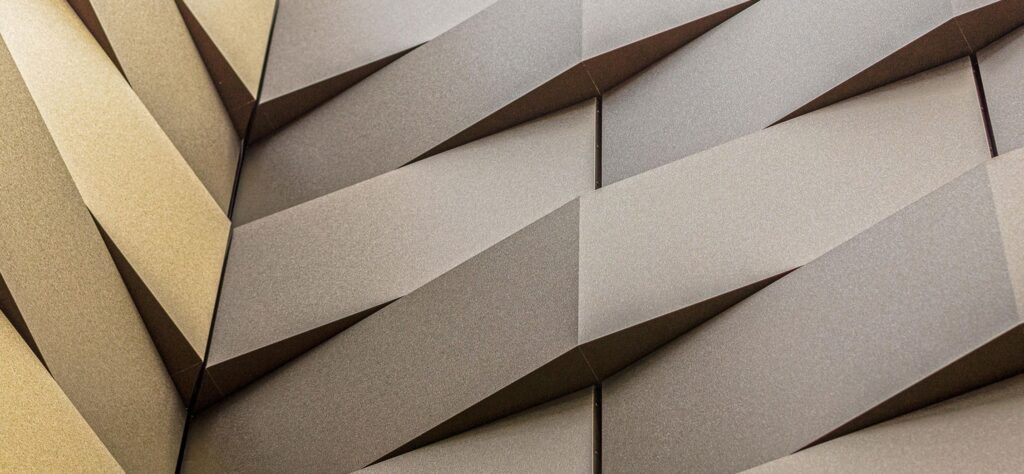
ALUCOBOND® Terra offers a sophisticated, earthy look with a matte finish. The color palette is inspired by natural minerals and is perfect for buildings that want to blend into the environment.
It’s highly resistant to scratching and UV degradation, making it suitable for buildings in sunny or abrasive environments. Terra is commonly used in eco-resorts, educational campuses, and museums.
ALUCOBOND® Spectra
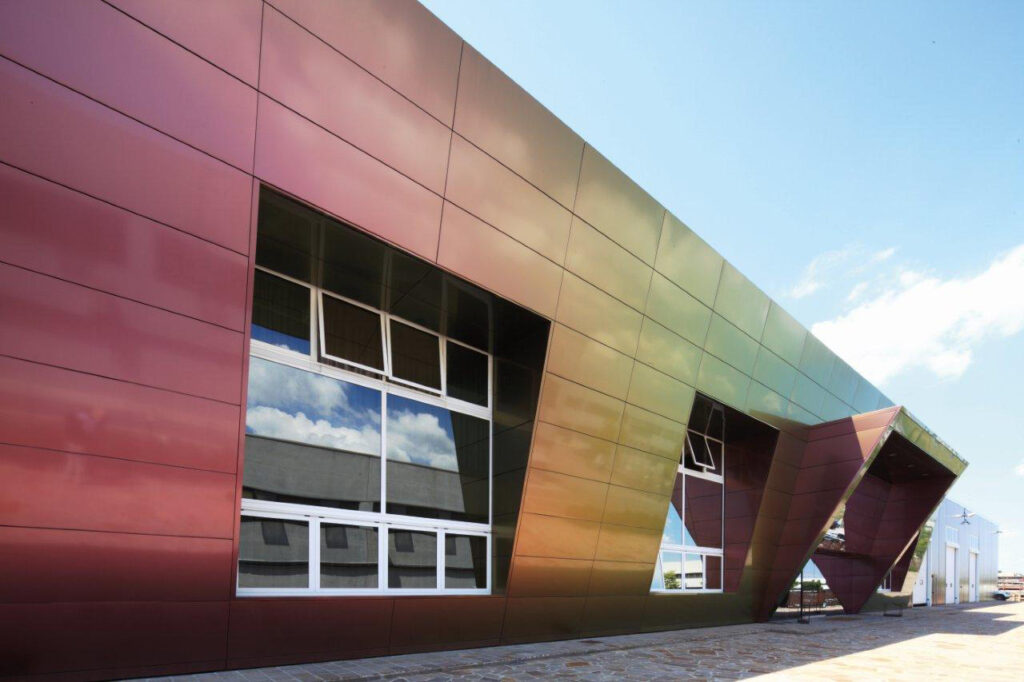
ALUCOBOND® Spectra stands out with its color-shifting finish that changes depending on the angle of light. It’s a dynamic choice for statement facades and innovative design projects.
This panel is often used in showrooms, airports, and cultural centers where aesthetics are key. Spectra combines futuristic appeal with the trusted quality of Alucobond engineering.
Use Cases and Real-World Applications
Alucobond cladding solves numerous design and performance problems in construction. For one, it addresses thermal bridging by creating a ventilated rain screen that enhances thermal efficiency. In urban areas, it mitigates the heat island effect by reflecting solar radiation.
It also improves facade durability and helps buildings meet green building standards such as LEED. Schools, hospitals, retail centers, and office buildings all benefit from Alucobond’s easy installation and longevity.
Where to Buy Alucobond Cladding
You can purchase Alucobond panels directly from authorized distributors and official websites. Many suppliers offer online catalogs and direct shipping.
Explore Finishes and Order Samples
FAQ
1. Are Alucobond panels suitable for residential homes?
Yes, especially for modern and high-end homes where aesthetics, durability, and energy performance are important.
2. How long do Alucobond panels last?
They typically last over 30 years with minimal maintenance, depending on environmental exposure and panel type.
3. Can Alucobond panels be recycled?
Yes, both the aluminum and core materials can be recycled, making it a sustainable facade option.
