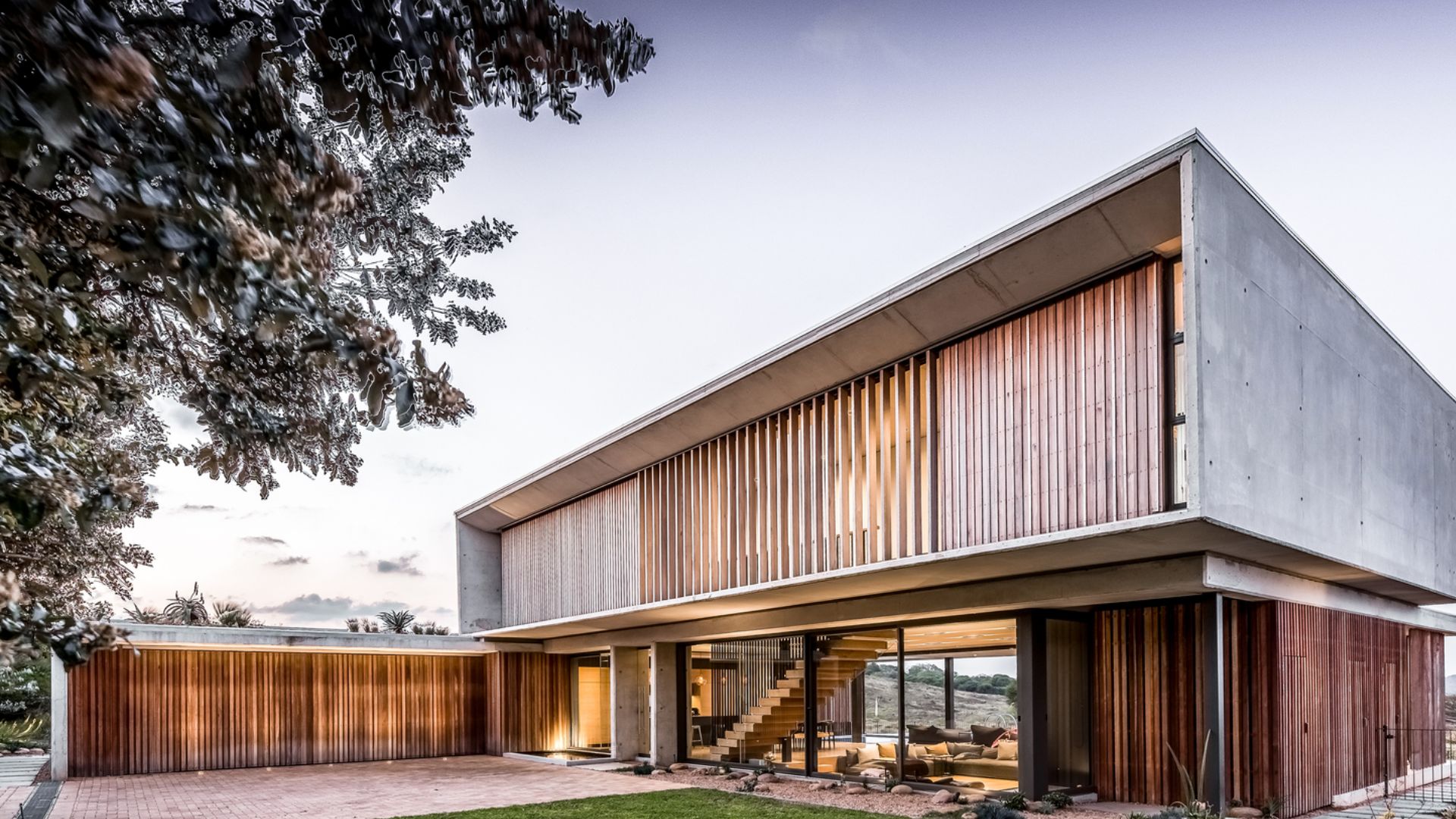
Concrete with wood combines the rugged durability of concrete with the organic warmth of wood. This hybrid material system has gained popularity in contemporary architecture due to its ability to offer aesthetic appeal without compromising strength and resilience.
Architects and designers value the contrast and harmony between these two materials. They achieve this look through wood-grain concrete finishes or by integrating real timber with concrete panels. This fusion enables striking visual results while maintaining practical construction benefits.
Benefits of Using Concrete with Wood in Construction
Blending concrete with wood offers both structural and aesthetic advantages. With proper design and execution, it becomes a sustainable, functional, and visually dynamic solution.
Enhanced Durability Meets Natural Warmth
Concrete structures offer robustness, but often appear cold or industrial. Adding wood elements, either as surface treatments or embedded accents, introduces a tactile, inviting feel. This technique brings out the warmth of wood while retaining the strength of concrete.
Additionally, concrete shields the wooden parts from weathering, especially when using wood decoratively. As a result, the surface maintains its integrity much longer than untreated timber installations.
Low Maintenance with Long-Term Appeal
Natural wood requires regular treatments, while concrete with wood grain textures or embedded wood panels can resist UV rays, moisture, and pests. Therefore, maintenance becomes minimal while preserving the visual charm of wood.
A sealed concrete surface minimizes cracking and staining. This durability ensures the aesthetic appeal remains intact over time, making it suitable for public installations, commercial facades, and residential landscaping.
Wood Series by Custom Rock
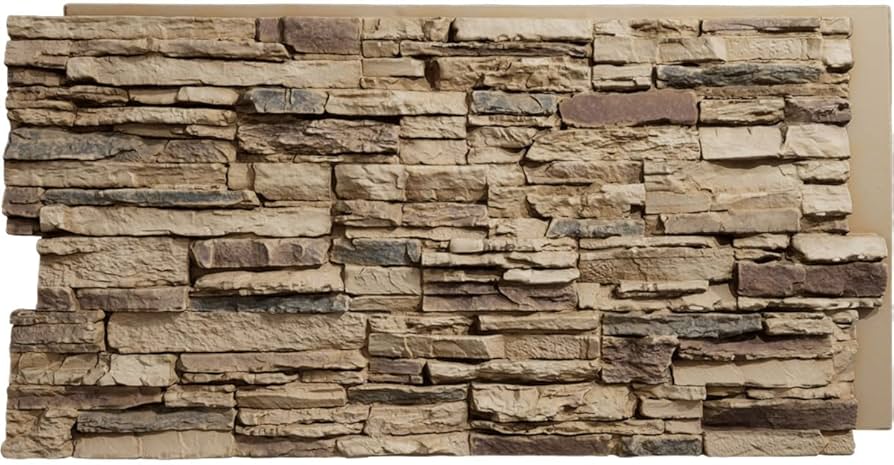
The Wood Series by Custom Rock features concrete form liners that replicate realistic wood patterns. These elastomeric liners provide durability and allow reuse. Designers often use them for vertical walls, bridges, and façade treatments that mimic timber.
Each liner in the series includes different wood styles, weathered planks, cedar grain, or rustic timber. They offer architectural sophistication and withstand environmental conditions. Staining options enhance the wood illusion, creating customized effects.
RECKLI Wood Texture Liners
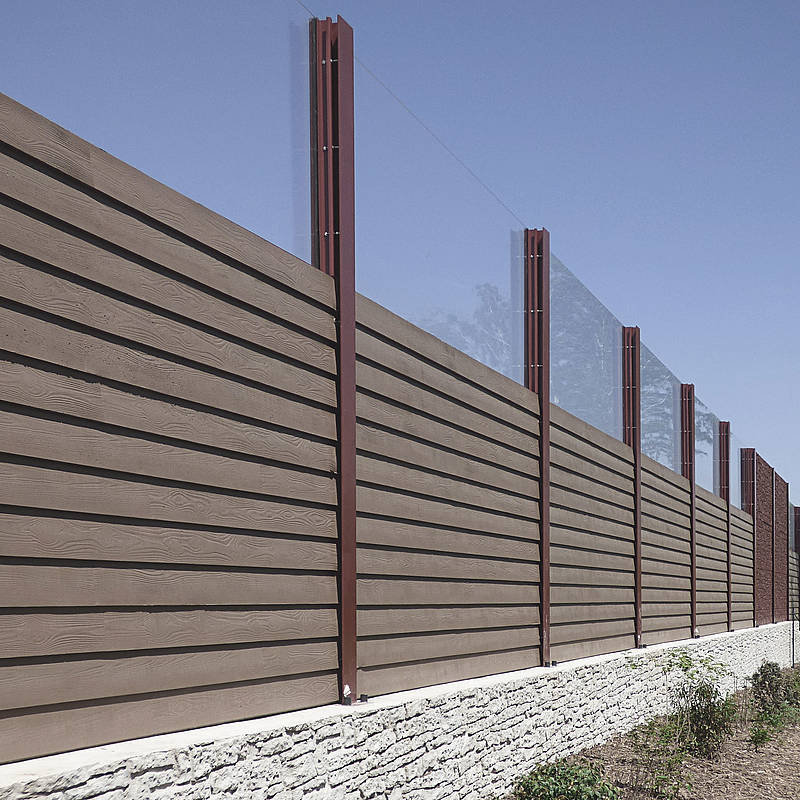
RECKLI’s wood-texture concrete liners deliver quality and allow repeated use. These form liners feature textures like bark, horizontal grain, and vertical boards, helping designers introduce wood aesthetics into concrete applications.
Many municipalities, universities, and cultural centers have adopted these products. Their performance in weather-exposed areas, where real wood would degrade quickly, makes them especially valuable.
Fitzgerald Formliners – Reclaimed Wood Collection
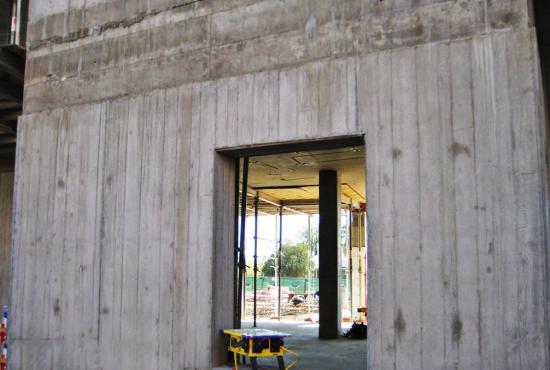
Fitzgerald Formliners creates detailed wood-grain concrete liners inspired by reclaimed timber. Their finish of rustic oak, barn planks, and fine cedar adds both texture and depth to poured concrete surfaces.
Highway barriers, commercial facades, and urban landscaping projects frequently incorporate these liners. Their durability and realistic appearance provide cost-effective solutions for infrastructure developments.
Bush Formliners – Horizontal Planks Series
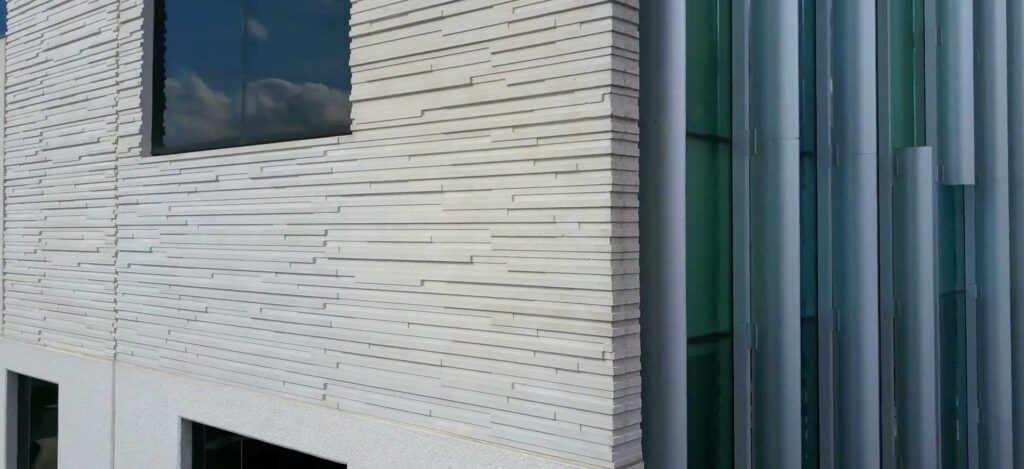
Bush Formliners focuses on affordable, durable wood-like textures. They offer horizontal plank and aged wood designs that work well across various indoor and outdoor applications.
Residential developments, municipal parks, and outdoor dining areas often use these products. They boost the visual identity of a space and handle environmental stress with ease.
Advanced Formliners – Charred Timber Line
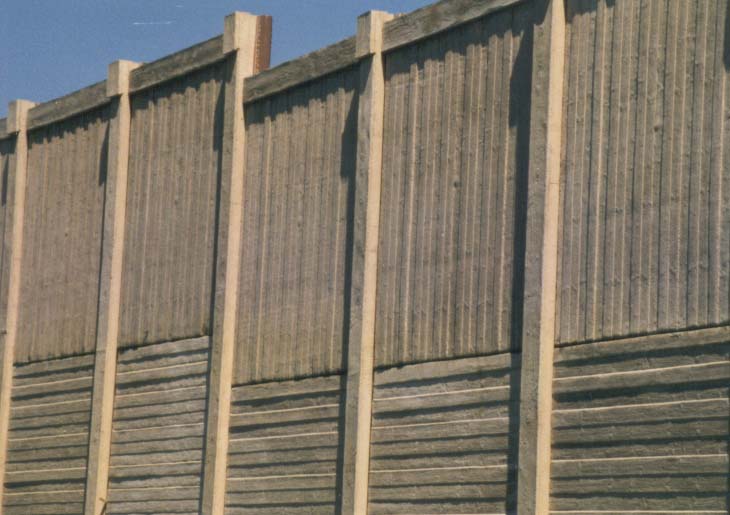
The Charred Timber series from Advanced Formliners offers bold, detailed impressions of burnt wood textures in concrete. This design proves ides dramatic contrast and suits modern architecture that emphasizes texture and depth.
Boutique hotels, museums, and civic buildings benefit from these liners. Their reusability and staining flexibility allow creative design while keeping costs down.
Use Case: Solving Real Problems in Design and Durability
Concrete and wood, when used together, solve key architectural challenges. In high-traffic urban zones, the material resists physical wear while wood textures soften the appearance. In nature-rich environments, the structure blends into the landscape without the fragility of actual timber.
This combination suits infrastructure projects, retaining walls, outdoor seating, and facade treatments. It provides both resilience and visual harmony where each is needed most.
How to Buy Concrete with Wood Formliners and Panels
To purchase with wood-style form liners or hybrid panels, contact leading manufacturers and review their design catalogs. Most suppliers provide consultations and samples to support your design needs.
Buy from Custom Rock
Shop RECKLI Textures
Order Fitzgerald Liners
Get Bush Formliners
Advanced Formliners Store
FAQ
1. Can concrete be used indoors?
Yes, this solution works well for feature walls, entryways, and accent surfaces inside homes or commercial spaces.
2. Does concrete last longer than real timber?
Yes. The durability of concrete, paired with sealed wood grain finishes, helps resist rot, insects, and moisture far better than untreated.
3. Can I customize the look of the wood in concrete?
Yes. Many products allow staining and texturing to replicate different wood species and styles, letting you tailor each project’s appearance.
